The Surprising Scale of the Optics Market
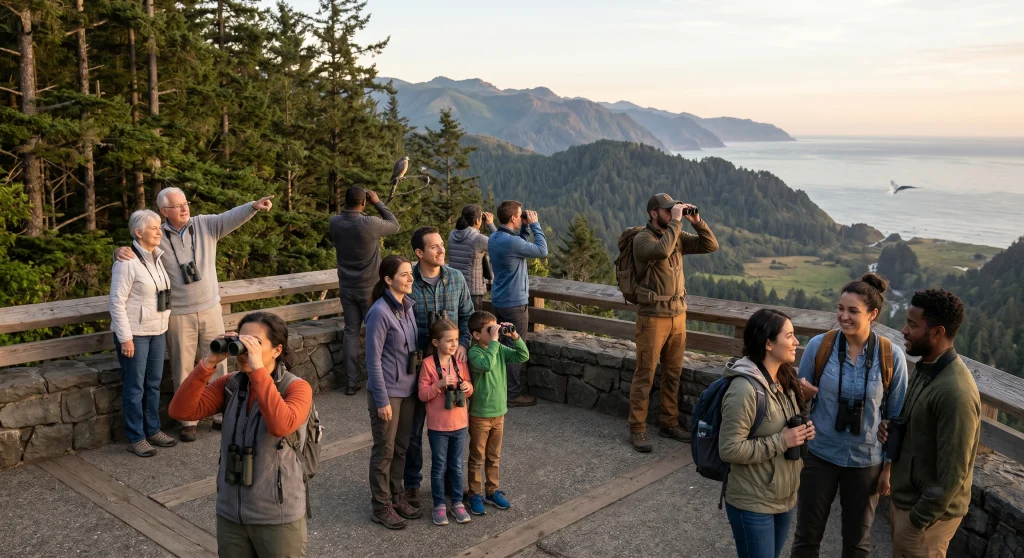
If you look at the covers of outdoor gear magazines, you would think everyone buying optics is summiting a remote peak or tracking elk deep in the backcountry. The reality on the sales floor told a completely different story. Most people walking through the doors did not consider themselves hardcore outdoorsmen. They were just regular people trying to solve a specific visual problem.
To put the true scale into perspective, consider other massive outdoor activities. There are roughly 26 million golfers in the US, and around 52 million anglers. The optics market actually dwarfs both. I handed glass to people planning their dream Alaskan cruise, homeowners trying to identify a pest in the backyard, and sports fans tired of squinting from the cheap seats.
This widespread appeal explains why you see binoculars sold everywhere from specialized hunting outfitters to big box discount stores. The demand never really slows down because the reasons people need them are so varied. By looking at the hard data, we can see exactly how many people are picking up these tools and heading outside.
The Wildlife Watching Boom by the Numbers
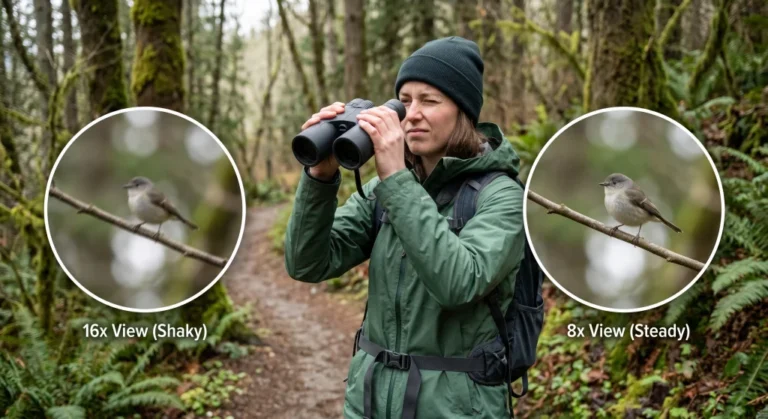
The biggest driver of optics sales often surprises people who assume hunting dominates the industry. According to data from the U.S. Fish and Wildlife Service, nearly 96 million Americans engaged in wildlife watching, birding, or wildlife photography in 2022. That is approximately 37 percent of the entire United States population aged 16 and older. When you process birdwatching statistics, binoculars are almost always the first piece of required equipment for these participants.
These individuals are not just casually glancing out their kitchen windows. The data shows Americans spent 7.5 billion days on these activities during that single year. That level of dedication requires reliable gear, and it drives a massive financial ecosystem. Wildlife watchers spent over $24 billion on equipment alone, which includes optics, cameras, and bird food. The Cornell Lab of Ornithology noted that the average spending per person sat around $2,188.
Field Note: One of the most common things I heard at the counter was a customer claiming they only needed something cheap because they were a beginner. Within ten minutes of handling better glass, they almost always realized that clarity matters just as much for a novice looking at a cardinal as it does for a professional guide.
People are entirely willing to invest in their hobbies once they realize how much a good, clear view improves the experience in the field.
The Core User Base in the Hunting Community
While wildlife watchers make up a massive segment, the hunting community remains a foundational part of the optics world. In 2022, there were roughly 14.4 million active hunters in the United States. If you ask how many people use binoculars within that group, the answer is virtually all of them. Optics are not viewed as an optional accessory in this space.
I always knew exactly when the pre-rut was approaching because the optics counter would suddenly flood with hunters. For this group, identifying an animal correctly and safely is the most critical part of the process. I spent a lot of time helping customers who had tried to get by without proper glass, only to miss an opportunity because they could not confirm what they were looking at in the brush. The frustration of a failed trip almost always drove them straight to the store the following week.
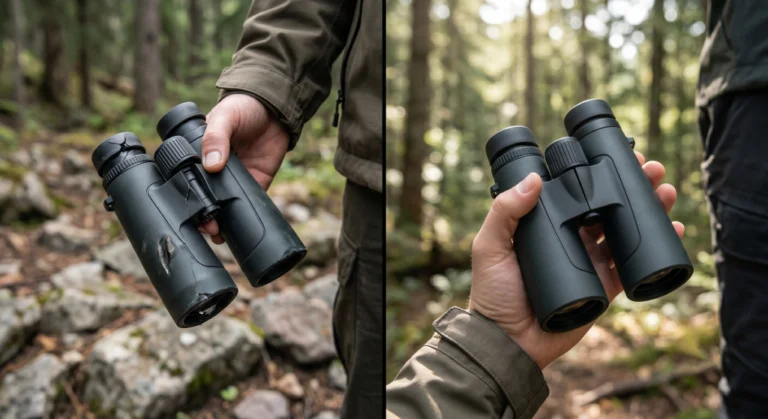
The standards this group demands from their gear also push the entire industry forward. Hunters need optics that can survive freezing rain, being dropped in the mud, and being bounced around in a truck bed. This demand for durability trickles down, meaning that even the budget models bought by casual weekend hikers are built tougher today than they were a decade ago.
Tracking the Binoculars Market Size
With millions of people heading outdoors, the financial footprint of this industry is substantial. The United States binoculars market size was valued at $166.5 million in 2024. According to market research projections, that number is expected to reach $248.8 million by 2032.
This growth is not just a corporate projection on a spreadsheet. I watched it happen week after week on the sales floor. The industry is largely driven by a constant upgrade cycle. People start with a cheap plastic pair they found on sale, realize they enjoy using them, and eventually hit the limits of what cheap glass can do. When they get tired of eye strain and blurry edges, they come back to buy a mid-tier or premium model.
Here is a quick look at how those different demographics and spending habits actually stack up:
| User Group & Market Metric | Reported Statistics (2022-2024) |
|---|---|
| Wildlife Watchers & Birders | 96 million Americans (37% of adult population) |
| Total Wildlife Activity Days | 7.5 billion days spent in the field |
| Wildlife Equipment Spending | Over $24 billion total ($2,188 average per person) |
| Active US Hunters | 14.4 million individuals |
| US Binocular Market Value | $166.5 million in 2024 (Projected $248.8M by 2032) |
These numbers show a clear pattern. The initial entry into the hobby might be casual, but the long-term investment in quality equipment is incredibly consistent.
Who Uses Binoculars in America? The Real Retail Profile
When you look at the data on who uses binoculars, America seems to be split into neat, distinct categories. The catalog stereotype is the rugged backcountry guide. The reality at the retail counter was much messier and much more interesting. The buyer profile matched none of the industry stereotypes.
Over time, I started to notice recurring characters. These were the real people making up those massive millions in the national surveys. Here is what the actual customer base looked like on a typical Saturday afternoon:
- The late-stage beginner: Retirees buying their very first pair at 68 years old because they just moved to a house with a view of a lake.
- The supportive parent: Parents who came in totally lost because their nine-year-old spotted a red-tailed hawk at school and now wanted to look at birds every weekend.
- The frustrated veteran: Hunters with twenty-year-old department store binoculars finally deciding to upgrade because their eyes could not handle the strain anymore.
- The sudden convert: Turkey hunters who had never used optics until they missed a bird they could not identify in the shadows.
- The holiday gift buyer: Spouses buying for a partner’s upcoming trip or Father’s Day, completely overwhelmed by the numbers on the box.
None of these people thought of themselves as optics enthusiasts until the moment they needed a pair. The common thread was simply a desire to stop missing out on details just beyond their natural vision.
Final Thoughts: What This Actually Means for You
Understanding the true binoculars hobby size changes how you look at the gear itself. The statistics are massive, but they ultimately just validate what happens on the ground every day. The numbers prove that you do not need to fit a specific outdoor mold to belong in this community. Whether you are spending a few hundred dollars for backyard birding or gearing up for a major hunt, you are part of a huge group of everyday people who just want a clearer view.
Because this user base is so vast, manufacturers produce an overwhelming variety of models. If you are trying to navigate that crowded market, a good place to start is a complete binoculars buying guide. That will help narrow down the field from hundreds of options to the few that actually make sense for your specific activity.
Once you know what you need, having binoculars explained in plain English can save you from buying the wrong specs. You do not need to be an optical engineer to enjoy a good view. You just need to know what to look for.
Data Sources
The statistics and market projections referenced in this article are drawn from the following public reports:
- U.S. Fish and Wildlife Service: 2022 National Survey of Fishing, Hunting, and Wildlife-Associated Recreation, referenced via fws.gov.
- Cornell Lab of Ornithology: Wildlife watching and equipment spending data, referenced via allaboutbirds.org.
- Outdoor Life: Analysis of USFWS hunting statistics and demographic tracking, referenced via outdoorlife.com.
- P&S Intelligence: U.S. Binoculars Market Report and 2024–2032 growth projections, referenced via psmarketresearch.com.
FAQs
🦅 How many people actually watch birds in the US?
Nearly 96 million Americans engage in wildlife watching or birding according to recent government data. While not all of them own dedicated optics, a massive portion of this group uses binoculars regularly to identify species in the field.
🦌 Do all hunters use binoculars?
Out of the 14.4 million active hunters in the United States, virtually all of them carry some form of magnified optic. Binoculars are considered core equipment for safely identifying targets and spotting game before making an approach.
📈 Is the binocular market growing?
Yes, the United States binoculars market was valued at roughly $166.5 million in 2024. Market projections suggest it will grow steadily to nearly $248.8 million by the year 2032.
🔭 Who buys the most binoculars?
There is no single average buyer. The market ranges widely from retirees picking up a new hobby to parents buying optics for their children, alongside millions of dedicated hunters and outdoor enthusiasts upgrading their gear.