BAK-4 vs BK-7 Prisms in Binoculars: The 10-Second Field Test That Tells You Which You Have

Binoculars Bak4 Vs Bk7

You do not need a spec sheet to figure out what kind of prism glass is inside your optics. By holding them at arm’s length and looking at the exit pupil, you can immediately tell what you are working with. I am going to walk you through this ten-second field test and explain why the … Read more

Is ED Glass Worth It in Binoculars? When the Chromatic Aberration Fix Actually Matters

Is Ed Glass Worth It Binoculars

ED glass addresses one specific optical problem known as chromatic aberration. Whether the extra cost is justified depends entirely on the lighting conditions and environments where you use your optics. If you frequently glass high-contrast scenes with bright backgrounds, the upgrade makes a visible difference. For those using optics primarily in dense forests or low-light … Read more

Are Regular Binoculars OK for Marine Use? Depends on What You Mean by ‘Marine Use’

Are Regular Binoculars Ok For Marine Use

The answer to whether regular binoculars are ok for marine use depends entirely on your definition of “marine.” For shore-based viewing or calm days on protected lakes, your standard waterproof binoculars will work perfectly fine. But the moment you take them onto open water, active sailboats, or offshore chop, standard binoculars fail due to excessive … Read more

Marine Binoculars: What Makes Them Different From Regular Binoculars (And When Regular Ones Are Fine)

Marine Binoculars

Marine binoculars are specifically engineered for the constant motion and corrosive environment of being on the water. The differences go far beyond a waterproof label, centering mostly on a strict magnification limit and a completely different way of focusing the lenses. I have seen many people buy standard hunting optics for their boat, only to … Read more

Why Are Binoculars Expensive? What You’re Actually Paying for When the Price Goes Up

Why Are Binoculars Expensive

A $100 binocular and a $1,500 binocular often share the exact same configuration numbers on the box, which makes the massive price gap highly confusing for first-time buyers. The difference lies entirely in glass purity, coating execution, and manufacturing precision, which directly dictate how bright, sharp, and comfortable the image actually is. Understanding why binoculars … Read more

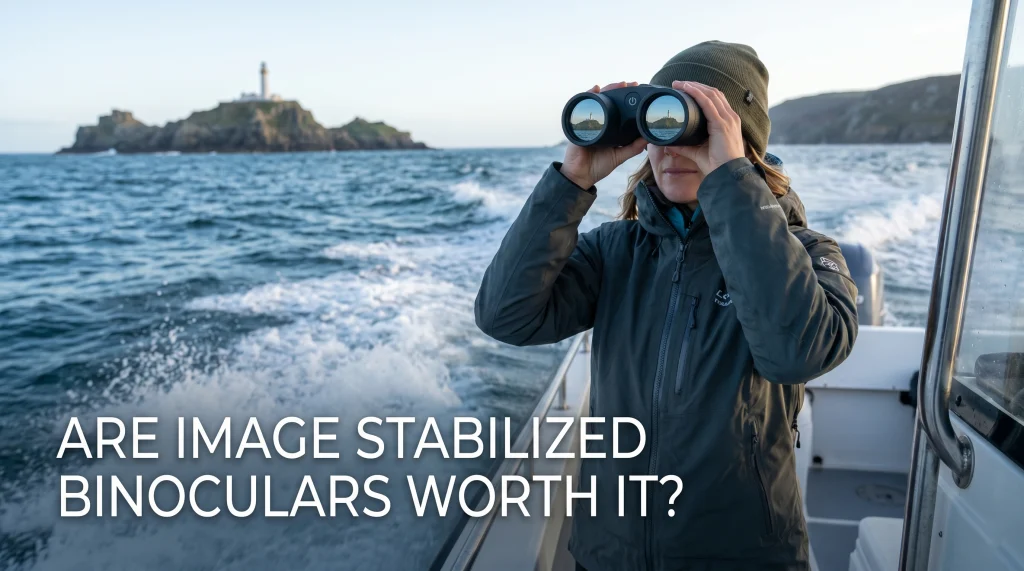
Are Image Stabilized Binoculars Worth It? The Answer Depends on Your Magnification and Your Platform
Are Image Stabilized Binoculars Worth It

The premium price tag on image-stabilized optics makes many buyers hesitate before upgrading. Figuring out if they make sense for your specific situation comes down to your required magnification and the platform you will be standing on. Once you understand how hand tremor interacts with those two factors, the decision becomes incredibly straightforward. The Two … Read more
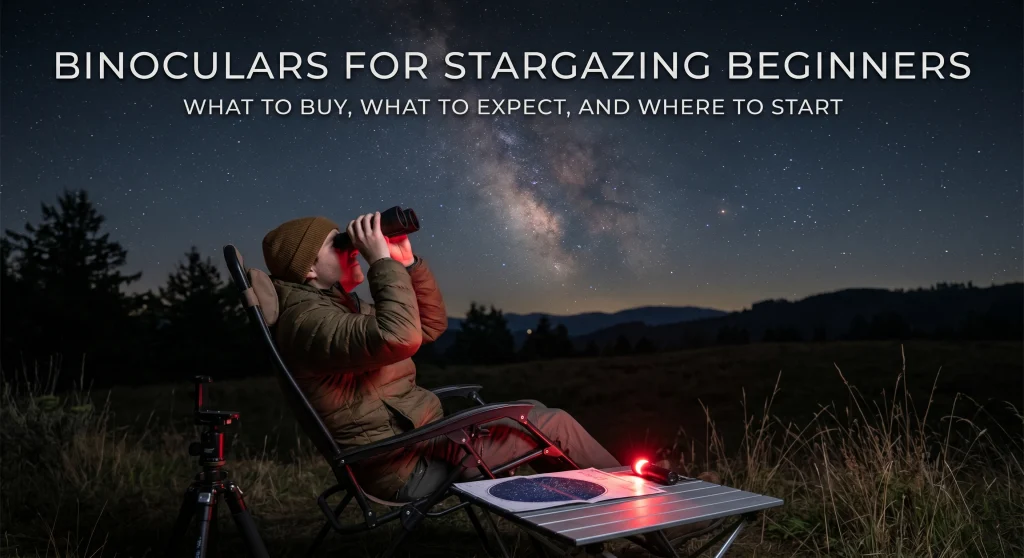
Binoculars for Stargazing Beginners: What to Buy, What to Expect, and Where to Start

Binoculars For Stargazing Beginners

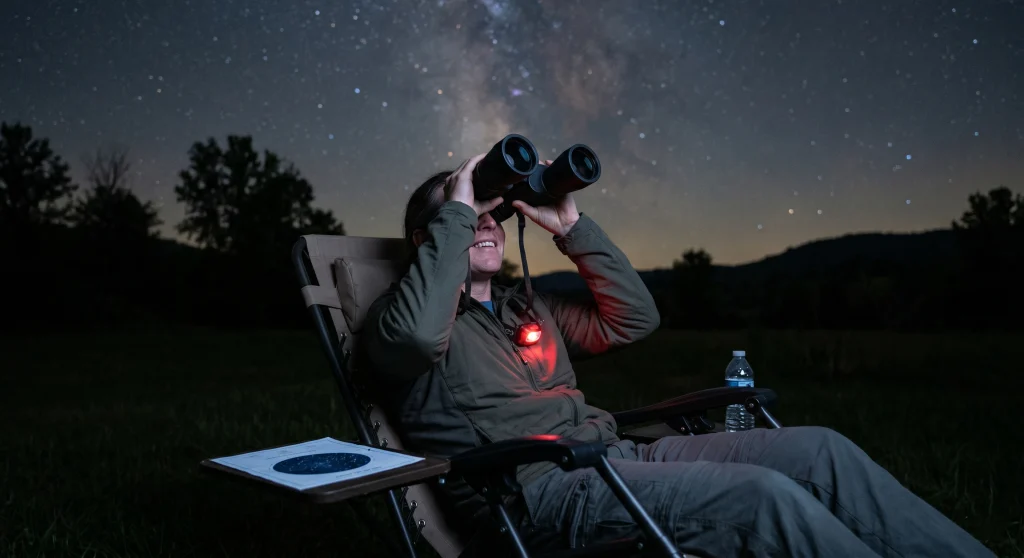
If you ask experienced amateur astronomers what instrument you should buy first, they almost universally point to a standard pair of 10×50 binoculars. It sounds counterintuitive when telescopes exist, but binoculars are the best tool for learning the night sky without getting frustrated by complex setups. This guide covers why the 10×50 specification is the … Read more

Binoculars for Stargazing: Why Aperture Beats Magnification (And What You Can Actually See)

Binoculars For Stargazing

For stargazing, the rules that apply to daytime binoculars shift significantly. Instead of focusing on magnification or portability, your primary concern becomes aperture and how much light the objective lenses can gather from the night sky. This guide breaks down exactly which specs matter for astronomy, why classic Porro prism designs often win out, and … Read more

Waterproof Binoculars for Kayaking: Why ‘Waterproof’ Isn’t Always Waterproof Enough

Waterproof Binoculars For Kayaking

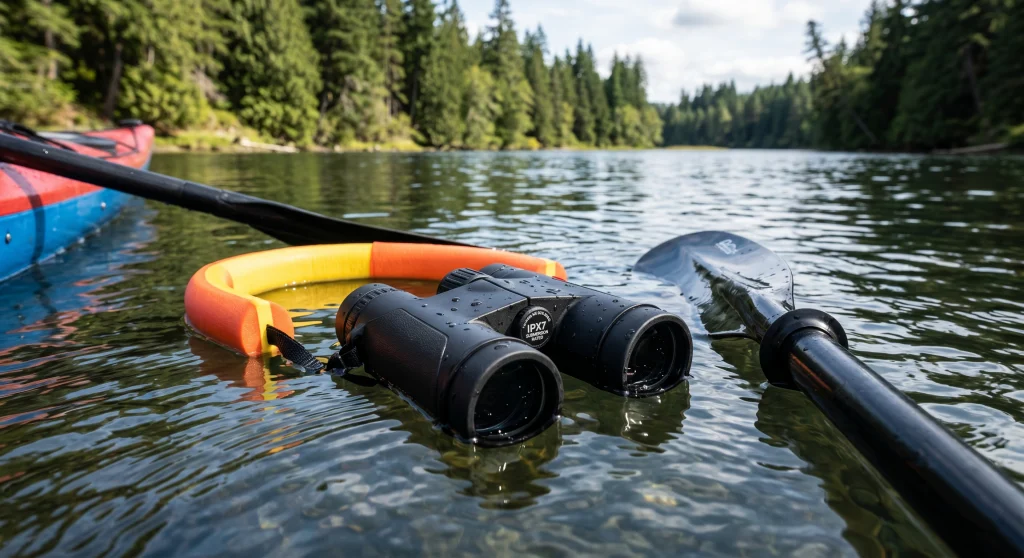
Kayaking presents a unique threat to optics that a walk in the woods simply does not. Most binoculars labeled as waterproof are only designed to survive rain, which means they will fail immediately during a capsize on the river. To keep your glass safe on the water, you need to understand the critical difference between … Read more

Binoculars for Hunting in Low Light: The Exit Pupil Numbers That Matter at Legal Shooting Light

Binoculars For Hunting In Low Light

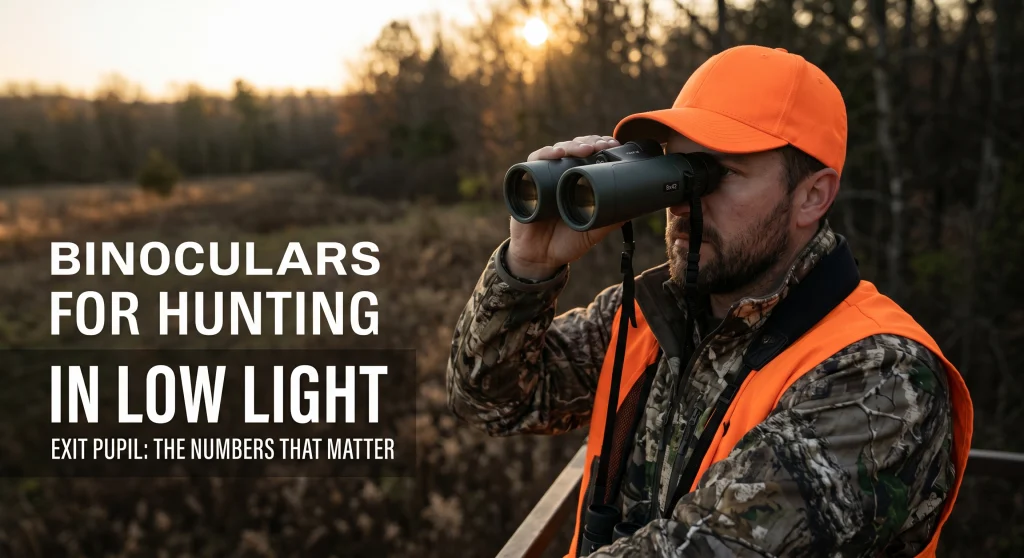
Legal shooting light is when the woods come alive, and it is exactly when your optical gear is put to the real test. Most hunters get distracted by marketing terms like twilight factor when trying to find the right glass for dawn and dusk. In my experience, if you understand exit pupil size and glass … Read more

Binoculars IPX Rating Explained: What the Numbers Mean and Why Most Products Don’t List Them

Binoculars Ipx Rating Explained

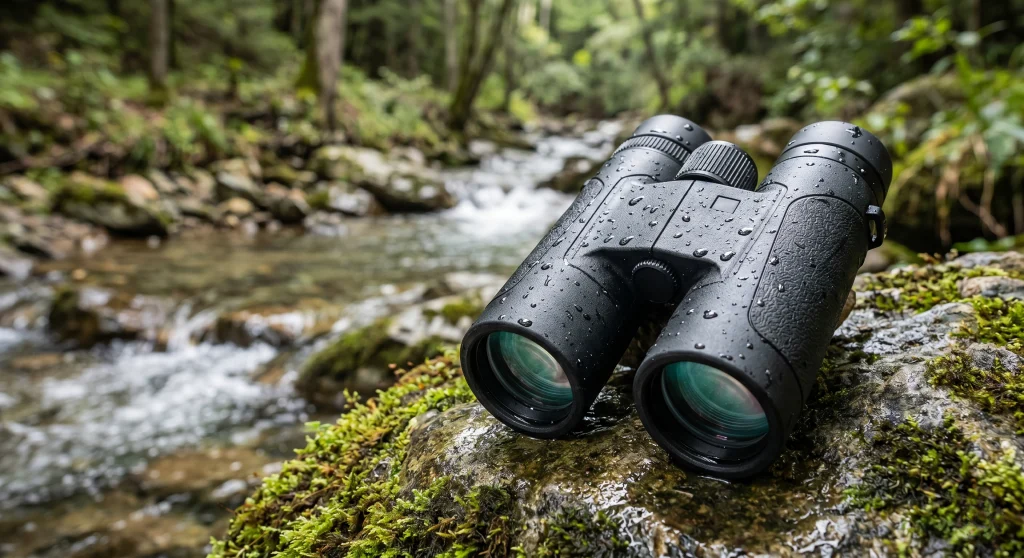
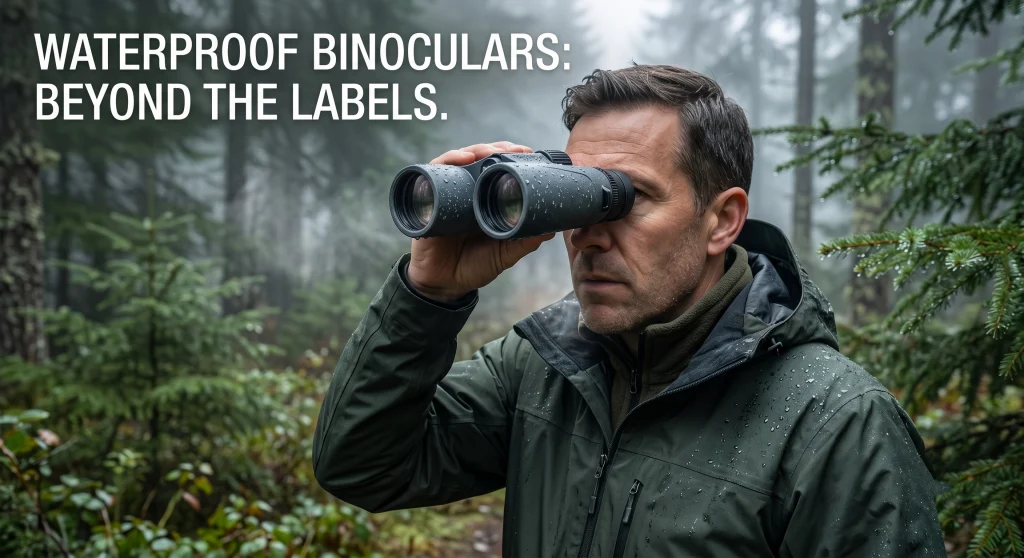
Most binoculars claim to be waterproof, but very few actually list an official IPX rating on the box to prove it. This creates a frustrating guessing game for anyone trying to figure out if their optics will survive a rainstorm or a drop in a creek. In my experience, you do not always need that … Read more

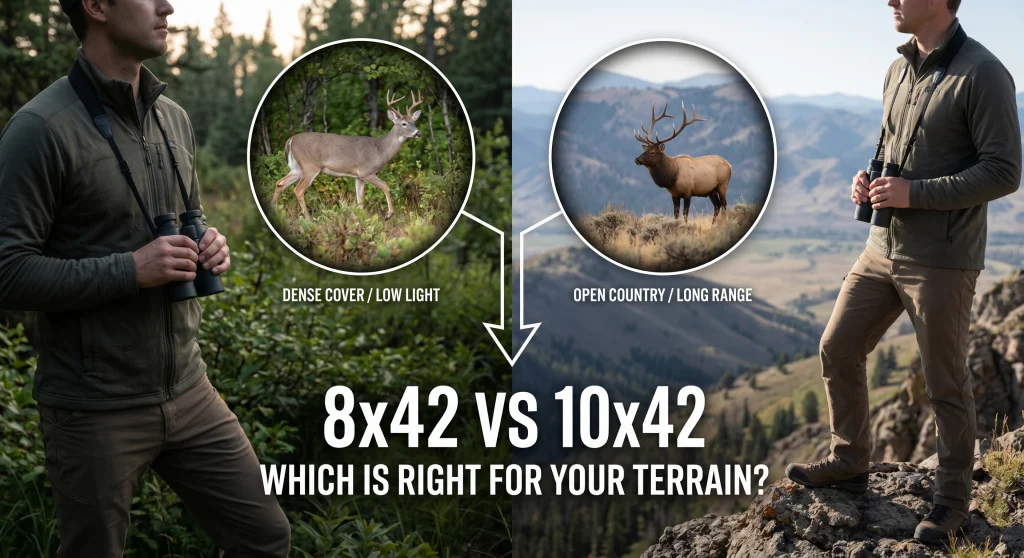
Binoculars for Elk Hunting: Why Western Hunters Are Moving Up to 12x (And Whether You Should)

Binoculars For Elk Hunting

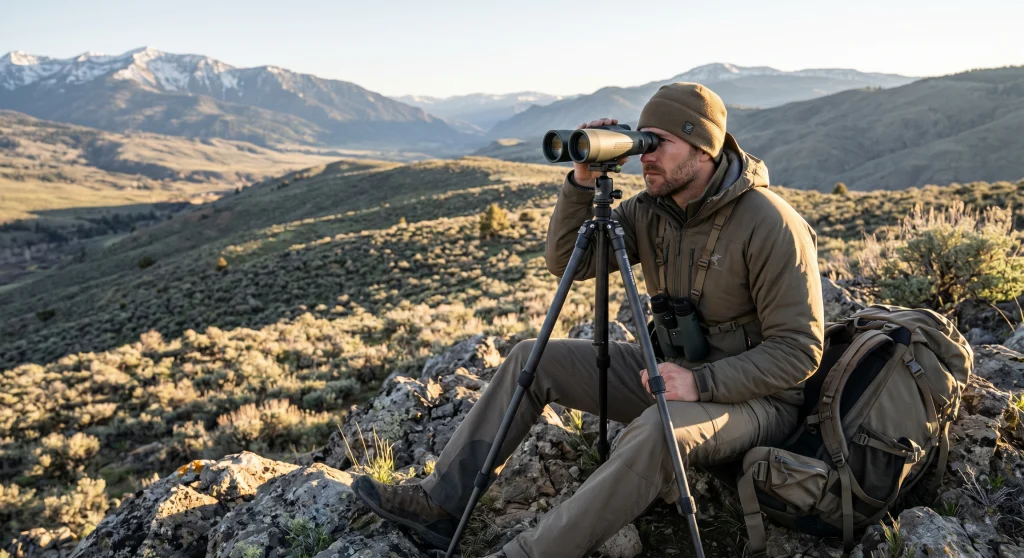
When you head out West, the sheer distance changes how you use optics. The traditional standard has always been 10x magnification, but a growing number of hunters are moving up to 12x and even 15x setups. Choosing the right binoculars for elk hunting comes down to balancing how much detail you need to see against … Read more