The Difference Shows Up When the Rain Starts
I have stood behind the optics counter long enough to know that when you are staring at a wall of binoculars, the marketing labels all start to blur together. You will see boxes claiming to be weatherproof, splash-proof, and everything in between. The debate between waterproof vs water-resistant binoculars usually comes down to price at the register, but the real cost shows up later.
The words printed on the side of the box look similar. In a rainstorm, the difference is very real. Over two years of regular outdoor use, the difference becomes permanent. I have seen countless people bring their foggy, ruined binoculars to the shop because they assumed a weather-resistant rating meant they could handle a wet hunting trip or years of sitting in a cold truck.
Choosing the wrong level of moisture protection is one of the most common ways people destroy good glass. Manufacturers know that buyers want weather protection, so they use creative language to sell budget optics. If you do not know exactly what mechanical features to look for, you are gambling with your investment.
What Water-Resistant Actually Means in Practice
A water-resistant binocular is designed with very basic physical tolerances to keep out immediate, light moisture. This means the device can handle a light drizzle or a splash from a passing boat. They are built to survive a brief, unexpected shower while you rush back to the car or pack them into a dry bag.
If you take water-resistant binoculars in rain for a prolonged period, moisture will eventually breach the chassis. These binoculars lack the physical barriers required to keep air and water out under pressure. They do not have rubber O-rings sealing the objective lenses, the eyepieces, or the central focus wheel. The focus wheel is especially vulnerable, as moving it acts like a tiny pump, drawing outside air directly into the optical tubes.
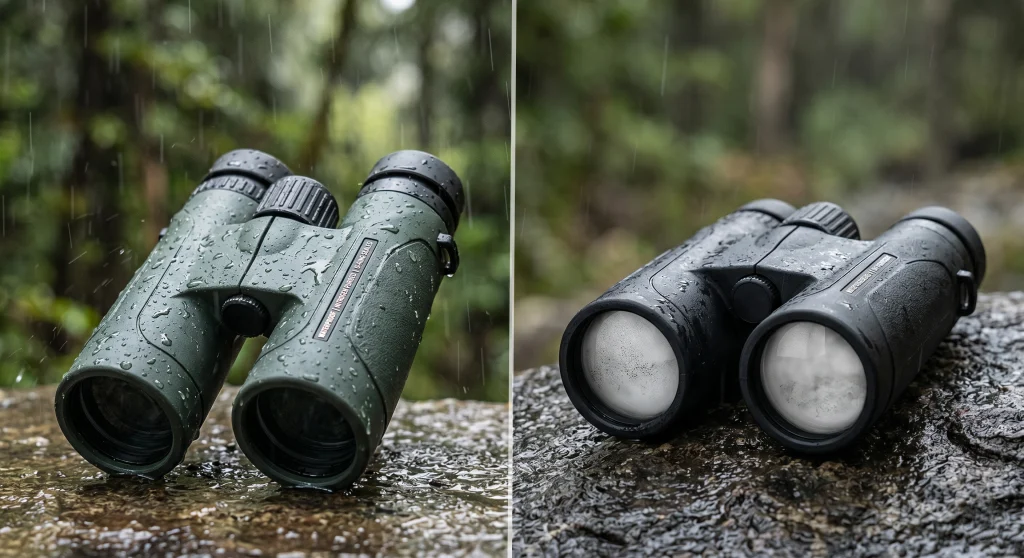
Because they are not mechanically sealed, they are also not fogproof. When you move from a warm environment to a cold one, the ambient air inside the barrels cools down quickly. The moisture in that trapped air then condenses directly onto the interior glass. You will wipe the outside of the lenses, only to realize the fog is permanently stuck on the inside.
Buying a water-resistant binocular for an Alaskan hunting trip because the box said it could handle “all weather conditions.”
Using a water-resistant binocular for watching birds from your living room window or taking on a sunny afternoon hike.
The Reality of Fully Waterproof Binoculars
Fully waterproof models operate on an entirely different mechanical standard. They feature tight, factory-installed O-ring seals at every potential entry point. Once the chassis is sealed, the manufacturers hook the binocular to a vacuum system, purge all the oxygen and ambient air out of the barrels, and replace it with a heavy, dry gas. This is typically nitrogen or argon.
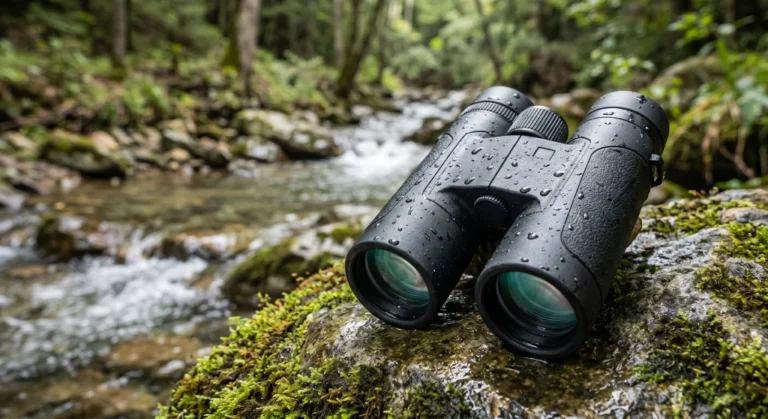
This construction method achieves two very distinct things. First, the O-rings prevent liquid water from entering, even under pressure. A genuinely waterproof optic can survive being completely submerged in a shallow stream or dropped in the mud. You can literally rinse them off in the sink when you get home without worrying about the internal components.
Second, the gas purging makes the binocular completely fogproof internally. Because the seals prevent any outside air from entering, and the inside gas holds absolutely no water vapor, your lenses will not fog on the inside when you step out of a heated cabin into a freezing morning. This thermal shock protection is just as important as the rain protection.
| Feature | Water-Resistant | Fully Waterproof |
|---|---|---|
| Construction | Tight physical tolerances, no seals | O-ring sealed at all entry points |
| Internal Gas | Ambient room air | Purged with dry nitrogen or argon |
| Rain Tolerance | Light drizzle, quick splashes | Heavy, sustained rainstorms |
| Submersion | Will flood immediately | Can survive shallow submersion |
| Temperature Shifts | Prone to internal fogging | Completely internally fogproof |
Note: Even fully waterproof binoculars will still fog on the outside of the lenses when exposed to temperature changes. You simply wipe external fog away with a microfiber cloth. Internal fogging is what ruins an optic.

Fully multi-coated lenses and phase-coated BaK-4 prisms deliver bright, crisp, color-accurate images across all lighting conditions, with a wide 7.4 degree field of view for easy tracking. The rubber-armored polycarbonate body is waterproof, nitrogen-purged, and tripod-adaptable for extended sessions. Backed by a Celestron Limited Lifetime Warranty and US-based support.
Check On AmazonIf you click this link and buy, we earn a commission at no additional cost to you.
The Hidden Consequence of Unsealed Optics
The most common mistake I see is people thinking they only need waterproof optics if they plan on dropping them in a lake. They assume that if they never go out in the rain, water resistance is plenty. The real enemy of unsealed optics is not the rain. It is time and temperature.
Every single time an unsealed binocular goes from a warm house to cold winter air, micro amounts of moist air enter and exit the chassis. Over several years of use, this causes invisible condensation to accumulate inside the dark, enclosed tubes. It creates a miniature greenhouse effect inside your optical instrument.
This trapped moisture eventually creates a perfect breeding ground for fungus. The organic compounds in some anti-reflective lens coatings actually provide food for these spores. Once fungus takes root, it branches out across the internal glass elements, looking like tiny, hazy spiderwebs.
To make matters worse, this kind of internal water damage is rarely covered by warranties on budget models. When you send them in for repair, the manufacturer will often void the warranty due to liquid damage, leaving you to absorb the full cost of replacement.
Field Note: If you find an old pair of optics in an antique store, you will quite often notice a green, fuzzy web growing on the inner surface of the lenses. People bring these to the counter asking if they can be cleaned. They cannot. The fungus actually etches into the glass coatings, ruining the binocular permanently. That is the ultimate consequence of buying unsealed barrels.

Select HD glass elements with fully multi-coated, dielectric-coated lenses deliver exceptional sharpness, color fidelity, and light transmission, while Armortek coating protects exterior surfaces from scratches and oil. Argon-purged and O-ring sealed for waterproof, fog-proof performance in any conditions. Includes a GlassPak chest harness and backed by Vortex's unlimited, unconditional, fully transferable lifetime VIP Warranty.
Check On AmazonIf you click this link and buy, we earn a commission at no additional cost to you.
Waterproof vs Weatherproof Binoculars: Decoding the Box
The optics industry has a serious labeling problem. Manufacturers use all sorts of terms loosely to make budget models sound rugged. You will often see consumers frustrated by the debate of waterproof vs weatherproof binoculars, simply because the terms are not legally regulated in consumer marketing.
The term “weatherproof” is purely a marketing invention. It means nothing mechanically. Some brands will even print “waterproof” on the box when the product only meets a basic IPX4 splash resistance standard. They are relying on the fact that most consumers will never actually test the limits of the optic until it is too late.
When comparing waterproof vs water-resistant optics, you must ignore the bold print on the front of the box and look at the technical specifications on the back. There are two specific indicators you must find.
- O-ring sealing: This confirms the chassis has physical rubber gaskets blocking water entry.
- Nitrogen or argon purging: This confirms the internal air has been replaced with dry gas.
If a product explicitly claims both of these features, it is genuinely waterproof to a full standard. If it only lists one, or neither, it is at best water-resistant, regardless of what the marketing department decided to call it.
These two indicators tell you what to look for on a new box. But if you already own a pair and want to know if they are genuinely sealed, try this simple test. Leave them outside in the cold for ten minutes, then bring them into a warm, humid room. If condensation forms on the inside of the glass, the seals are compromised or never existed.

Fully multi-coated all-glass optics with BAK-4 prisms deliver enhanced contrast, resolution, and light transmission in a compact roof prism design. The lightweight aluminum chassis is IPX7 rated, tested at 1 meter submersion for 30 minutes, and wrapped in non-slip soft-touch rubber with aggressive texture for a confident grip even one-handed. Built tough enough for all-day everyday use in the most demanding conditions.
Check On AmazonIf you click this link and buy, we earn a commission at no additional cost to you.
Matching the Rating to Your Reality
You do not always have to spend the extra money for full sealing, but you do need to be honest about where you plan to take your glass. A water-resistant binocular is a perfectly fine choice for leaving on the kitchen counter to watch birds at a backyard feeder. It is also adequate for indoor stadium concerts or bright, sunny vacations where humidity is low.
However, the risk is not just about rain. I often talk to customers who live near the coast and leave their binoculars sitting on a windowsill facing the ocean. The ambient salt air and daily humidity changes are enough to silently ruin unsealed optics over a single summer.
For almost any dedicated outdoor hobby, or coastal living, upgrading to a fully sealed model is the smartest investment you can make. The price gap has closed dramatically in recent years. Today, you can easily find genuinely waterproof binoculars for under two hundred dollars. At that price point, the insurance against internal fogging alone is worth the premium.
If you are trying to understand how this environmental protection fits into the larger picture of your gear, our guide to the types of binoculars covers the baseline differences. For a deeper look at whether your specific hobby requires full protection, you can evaluate your environment in our guide on whether you need waterproof binoculars. The exact submersion depths and time limits each optic is certified to survive are detailed in how binoculars IPX ratings are explained.
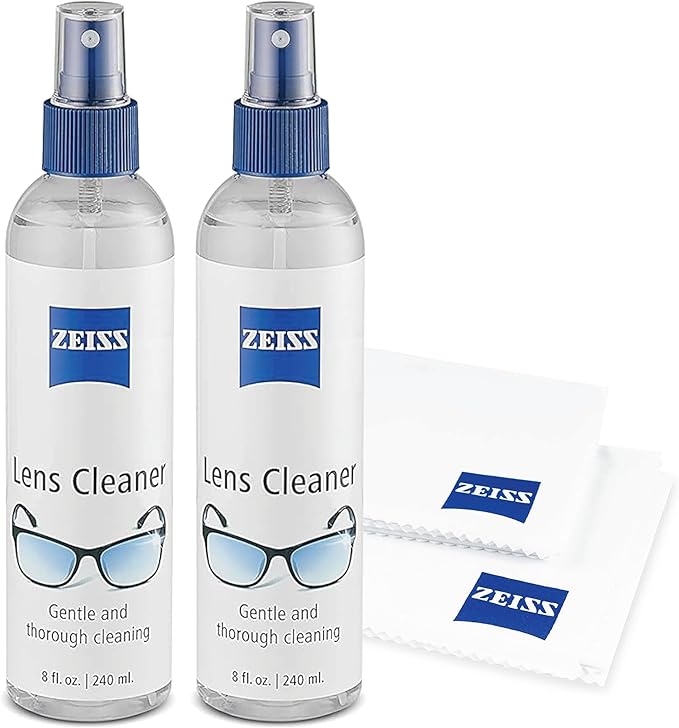
This ammonia-free, low-VOC cleaning solution safely removes dirt and oils from all lens types including anti-reflective, blue light blocking, prescription, and camera lenses without harsh chemicals. The washable microfiber cloth delivers a streak-free, non-abrasive finish designed for repeated use. The compact 8 oz bottle and reusable cloth make it easy to keep optics spotless at home or on the go.
Check On AmazonIf you click this link and buy, we earn a commission at no additional cost to you.
Final: The Insurance Policy for Your Glass
The difference between a sealed and unsealed binocular usually becomes obvious at the worst possible moment. It happens when you are glassing a hillside at dawn and your lenses fog over internally, or when a sudden rainstorm catches you miles from your truck. Water resistance is a temporary shield. Full waterproofing is a permanent structural defense.
Always check the technical specifications to confirm true weather protection rather than relying on the bold print on the box. Buying a fully sealed optic ensures that you are spending more time looking through your glass, rather than trying to dry it out on the dashboard of your car.
FAQs
🌧️ Can water-resistant binoculars survive being dropped in a puddle?
No, they generally cannot. Water-resistant models are not sealed against pressure. Dropping them in a puddle will force water past the focus wheel and into the optical tubes, causing permanent damage.
💨 Do water-resistant binoculars fog up inside?
Yes, they are highly prone to internal fogging. Because they are not purged with dry nitrogen or argon gas, they contain ambient air that holds moisture. When temperatures drop quickly, that moisture condenses on the inside of the glass.
🤔 Is the difference between weather-resistant and waterproof binoculars significant for casual use?
For purely casual, sunny-day use, weather-resistant is often enough to protect against dust and a stray splash. However, if you store them in a cold car or use them during humid mornings, the lack of true waterproofing will eventually cause internal degradation.
🔍 How can I tell if my binoculars are truly waterproof?
Look past the marketing terms on the box and read the specifications. You need to see explicit mentions of “O-ring sealed” and “nitrogen purged” or “argon purged.” If those two features are listed, the optic is fully sealed.